The types of wolves
Posted by Jackie on August 13, 2010 on 4:05 pm | In Animals, Science | No CommentsEthiopian wolves
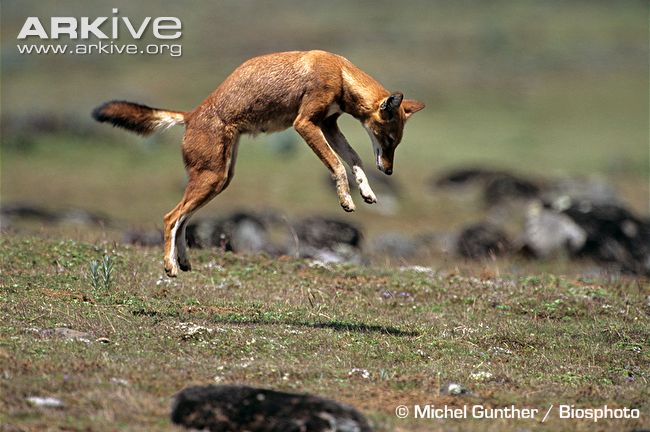
© Michel Gunther / Biosphoto
Ethiopian wolves are highly endangered species there are less than 550 of them left.
They are also known as Abyssinian wolves. They are smaller than Gray wolves.
Ethiopia is in Africa. Ethiopian wolves are really amazing.
Pit vipers
Posted by Amber on November 5, 2009 on 7:05 pm | In Reptiles, Science | No Comments 
There are 200 species of venomous snakes known as pit vipers. The viper family is divided into two groups known as Viperinae and Crotalinae. This group of snakes of snakes is where pit vipers come in. Rattlesnakes are known as pit vipers too. Pit vipers are found in eastern to southeastern parts of the United States of America. The two main parts of pit vipers live in central and south america. Some of the only pit vipers that hatch from eggs are Bushmasters.

Cottonmouths
Posted by Amber on October 24, 2009 on 9:28 am | In Reptiles, Science | No CommentsCottonmouths belong to a family called pit vipers. All pit vipers have pits beneath their eyes that sense heat. Rattlesnakes and copperheads are pit vipers.A cottonmouth opens it’s mouth to scare away predators. They live in the southern and southeastern they live in the swamps of Florida, Louisiana and parts of Texas. They can live as far north as Virgina,Kentucky, and parts of Illinois. Cottonmouths can swim with their heads above the water. Cottonmouths start at broods.

Wolf Trap Blue Planet
Posted by Jackie on August 3, 2009 on 1:49 pm | In Ocean Creatures, Science | 3 Comments
On Friday the 31st me and my parents and sister went to wolf trap. We saw Blue Planet. Blue planet is all about Earth’s ocean. There was a symphony playing during the clips. The 1st clip we saw was about a blue whale. He was surfacing to breath. The 2nd clip was about spinner dolphins. First the dolphins swam jumping like normal dolphins. Then while they jumped they spun.
All the birds in North America
Posted by Jackie on June 22, 2009 on 3:07 pm | In Animals, Birds, Science | 1 CommentThe common loon can dive down to 150 feet below the water.
The pied billed grebe chicks leave their nest an hour after hatching.
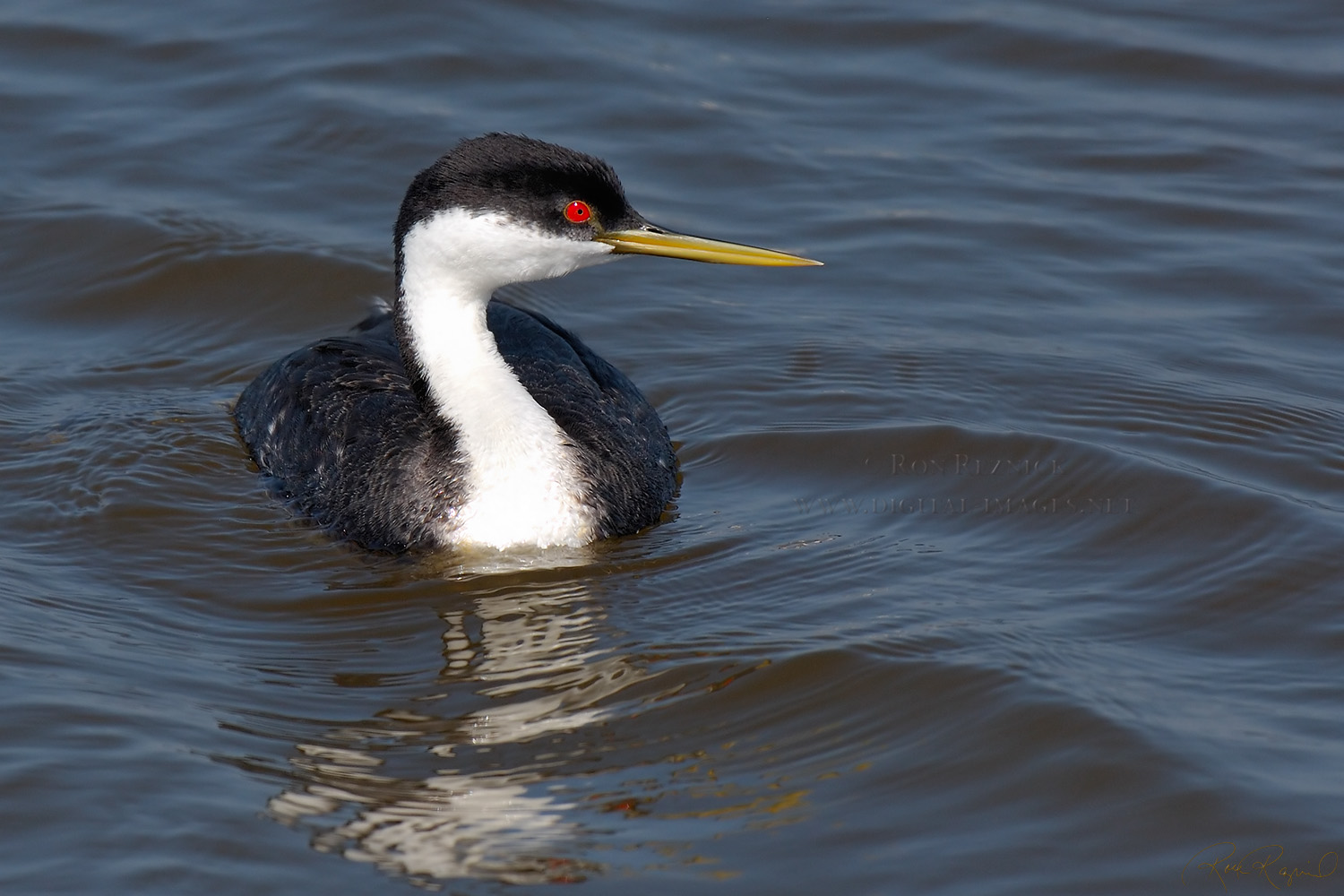
Western grebe, this bird has blood red eyes.
Northern fulmar ,this bird lives mostly in water.
sooty shearwater,this bird can go 60 yards under water.
wilson’s storm-petrel,this bird lays a single egg.
white-tailed tropicbird, this bird eats squid and fish.
northern gannet, this bird can dive 100 feet below the surface of the water.
masked booby, the males are forced out of the nest by the first born.
Americon white pelican, this bird can hold nearly 3 gallons of water.
brown pelican, it has a long beak.
great cormarant, it feeds on fish
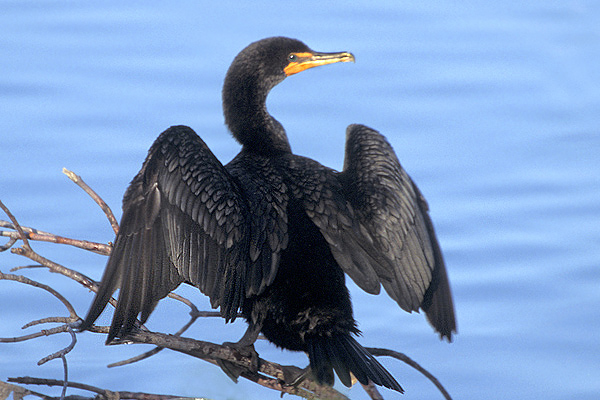
The double-crested cormorant, it feeds on fish. To catch the fish it has to swim.
Anhinga, this bird eats frogs.
The magnificent frigatebird, this bird fights for food.
The great blue heron, This bird can be seen on houses.

American bittern , this bird eats small eels.
Great egret,
Black Holes
Posted by Amber on September 1, 2008 on 8:42 am | In Space | 2 CommentsA black hole is made by a star that is piercing into itself. And black holes can suck in lots of stars, and it can suck in the Sun. There were no spaceships that were lost in a black hole. A black hole is like a lot of gravity pulling lots of stars and other stuff into it. Some black holes are tiny and some are huge. Black holes used to be called “frozen stars”.

Jupiter
Posted by Jackie on September 1, 2008 on 8:36 am | In Space, Uncategorized | 2 CommentsLast night Dad took out the telescope and we saw Jupitar and four of its moons. We could see the edge of Jupiter and it had brownish orange edges. It was so cool. 
Minerals all around us
Posted by Jackie on July 7, 2008 on 11:30 am | In Crystals and Minerals | 1 CommentThere are minerals in your pencil tip. Down below is a picture of minerals stuck together. There are minerals in your computer. There is copper in your wires and silicon in your memory chip. There
mi
Entries and comments feeds. Valid XHTML and CSS. ^Top^ Powered by WordPress with jd-nebula-3c theme design by John Doe.